
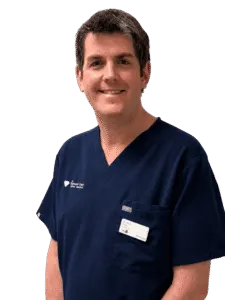
Treatment led by
Paul Flint · Restorative-trained Co-Principal · GDC No. 83634Treatments · Porcelain veneers
A veneer is a slice of hand-crafted porcelain, often no thicker than a contact lens, bonded to the front of a tooth — and in skilled hands it’s the closest dentistry comes to art. Shape, shade, surface texture, even the subtle translucency at the tip of a natural tooth: all designed for your face. One veneer can rescue a single damaged front tooth; a set can quietly redesign a smile.
Treatment led by
Paul Flint · Restorative-trained Co-Principal · GDC No. 83634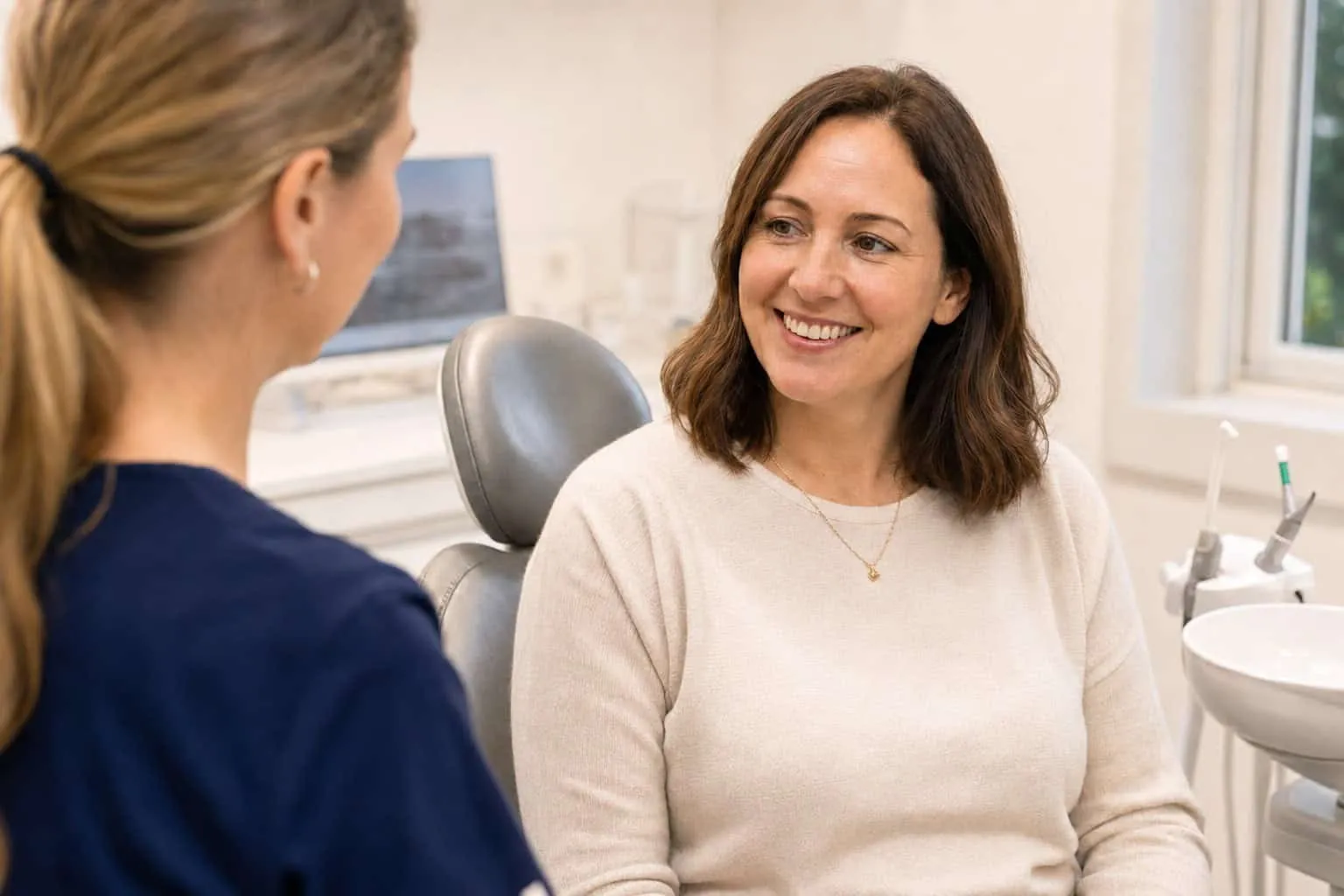
Per tooth
On our price list
Priced in your written plan
Visits
2–3
Over a few weeks
Comfort
Local anaesthetic
Elegant temporaries between visits
Longevity
Case by case
Your dentist will talk it through
Google reviews
 Will N.1 month ago: read Will N.'s review on Google (opens in a new tab)G
 Nick5 months ago: read Nick's review on Google (opens in a new tab)G
 Charles F.11 months ago: read Charles F.'s review on Google (opens in a new tab)G
 Con O.1 year ago: read Con O.'s review on Google (opens in a new tab)G
 Matt K.2 years ago: read Matt K.'s review on Google (opens in a new tab)G
 Samantha S.3 years ago: read Samantha S.'s review on Google (opens in a new tab)G
 Alexandria D.3 years ago: read Alexandria D.'s review on Google (opens in a new tab)G
 Marina W.4 years ago: read Marina W.'s review on Google (opens in a new tab)G
 Hannah H.4 years ago: read Hannah H.'s review on Google (opens in a new tab)G
Is it right for you?
Veneers transform a smile — but they’re irreversible, so we only reach for them when a kinder route won’t get you there. These are the cases they suit.
Why veneers
A veneer redesigns colour, shape, length, alignment and surface in one treatment — crafted by a ceramist and designed by an expert eye for your face.
Colour, shape, length, alignment and surface — a veneer redesigns all five at once. It’s the multitool of cosmetic dentistry.
It reflects light the way natural teeth do and shrugs off stains far better than natural enamel or composite. Your morning coffee is no longer the enemy.
Each veneer is made by a skilled ceramist to a prescription that includes your face shape, skin tone and the character of your other teeth.
Paul Flint’s postgraduate training focused on exactly this: bonded porcelain restorations that look like they grew there.
Your journey
A veneer smile is planned as carefully as it’s made. Here’s how yours takes shape.
The design conversation
What do you like about your smile? What would you change? We photograph, measure and listen — and we’ll tell you honestly if bonding or whitening could get you there less invasively.
Preparation & temporaries
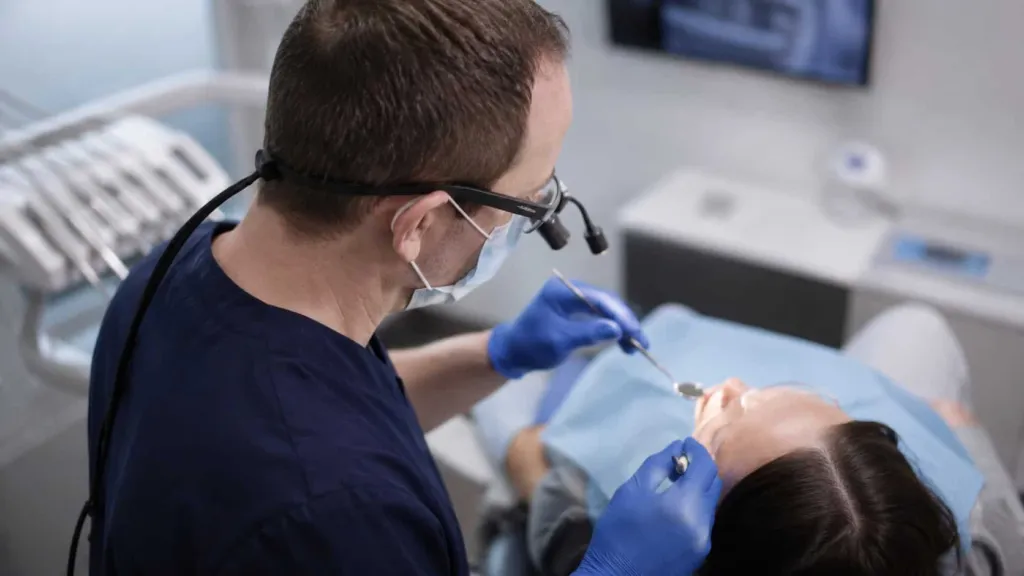
A wafer-thin layer of enamel is shaped under local anaesthetic; precision impressions go to the ceramist. Elegant temporaries mean you never leave with a gap.
The try-in & fit
Your veneers are checked against your smile in natural light — shade, shape, bite — then bonded permanently. The bond, done properly, is remarkably strong.
The honest picture
Veneers are wonderful in the right place — and a commitment. We’d rather you understood the trade-offs than discovered them later.
Preparation is irreversible
A veneer removes a small amount of enamel, so a veneer tooth will always need a veneer. That’s why we always discuss whitening and bonding first.
They can chip or debond
Occasional chips or debonds are repairable, and veneers will eventually need replacing — night-grinders especially will need a protective splint.
The least invasive route wins
If whitening or composite bonding achieves your goal, that’s the right answer — and sometimes it isn’t porcelain. We’ll say so.
Your clinician
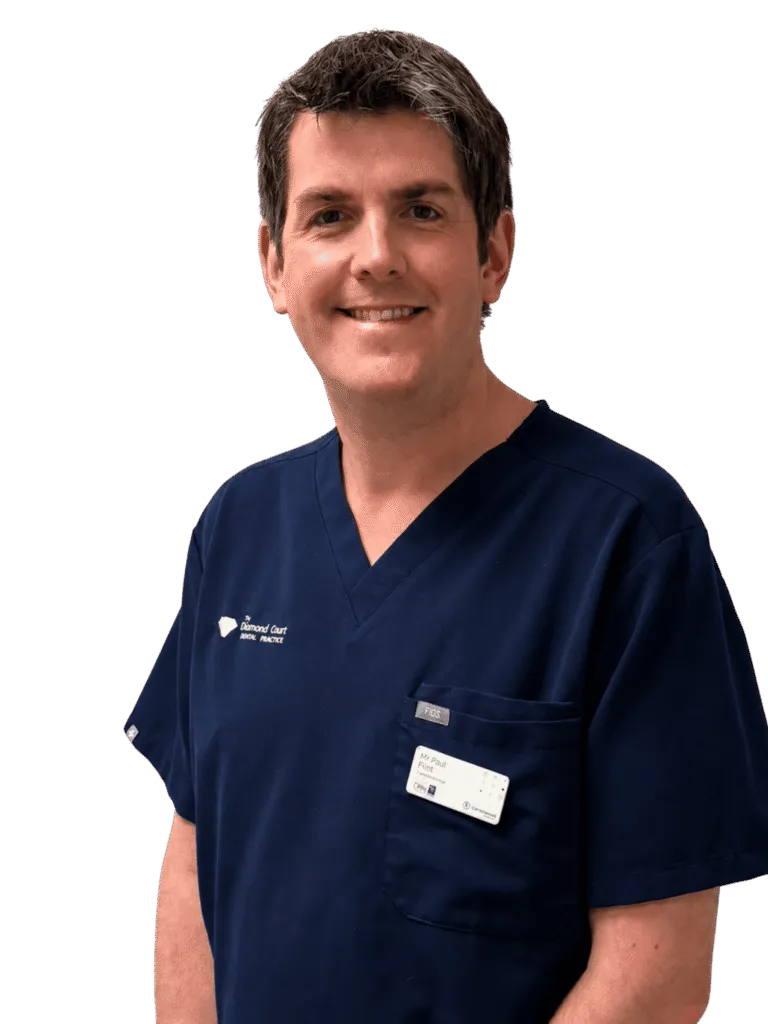
Restorative-trained Co-Principal
GDC No. 83634
Veneers are overseen by co-principal Paul Flint, whose postgraduate training — an MSc with distinction from UCL’s Eastman Dental Institute — focused on bonded porcelain restorations that look like they grew there.
His approach is conservative and design-led: the least invasive route that achieves your goal is the right one, and he’ll compare veneers, bonding and whitening honestly before any enamel is touched.
UCL Eastman
MSc with distinction
Co-Principal
Restorative dentistry lead
Making it last
Veneers ask very little — but grinding is the one thing they genuinely can’t forgive.
Wear the nightguard
If we prescribe one, use it — grinding is porcelain’s only real predator.
Teeth aren't scissors
Don’t open packets or bite thread with them (that goes for everyone).
Brush, floss, hygiene
Veneered teeth can still decay at the edges — normal care keeps the margins healthy.
Keep your reviews
Regular check-ups let us spot wear at the edges early.
Common questions
Bonding: kinder to the tooth, cheaper, same-day, but stains and chips sooner. Porcelain: stronger, more lifelike, stain-proof, but irreversible and pricier. We’ll show you both against your goals — no agenda.
Sometimes one, matched invisibly to its neighbours (the hardest trick in dentistry, and our favourite). For a full smile change, usually 6–10 across the front.
Not ours. “Piano key” veneers come from choosing one flat shade and shape. We design in natural character — subtle translucency, texture, individuality.
Preparation is done under local anaesthetic; some temperature sensitivity between visits is normal and settles.
No — porcelain holds its colour. If you want a whiter overall smile, we whiten your natural teeth first, then match the veneers to the new shade.
Take the first step
Book a design consultation with Paul Flint, or start with a free e-consultation. We’ll compare veneers, bonding and whitening honestly against your goals — and you’ll have a written plan before anything begins.
Priced per tooth · confirmed in your written plan.